
When a loved one begins receiving care at home, creating a safe, comfortable environment is one of the most important things you can do. Small changes around the house can reduce fall risk, prevent injuries, and make everyday tasks easier for both the person receiving care and their family caregivers.
The good news is that improving home safety doesn’t always require major renovations. Simple adjustments can make a big difference. If your loved one wishes to age in place, we encourage you to continue reading and use the plan below to get started. A few changes can ensure your loved one remains comfortable, confident, and independent in their own home. For families navigating care across Pennsylvania, proactive safety planning is often the first step toward successful aging in place.
Why Is Home Safety So Important?
As we age or recover from an illness or surgery, everyday activities can become more challenging. Reduced balance, changes in vision, muscle weakness, or certain medications can all increase the risk of accidents at home.
A safe home environment helps:
- Reduce the risk of falls and injuries
- Support greater independence
- Make daily routines easier
- Give family members greater peace of mind
- Help caregivers provide safer, more effective care
Taking time to evaluate the home now can help prevent emergencies later.
Start With Fall Prevention
Falls are one of the most common reasons older adults experience serious injuries. Fortunately, many falls are preventable with a few simple changes.
Remove Tripping Hazards
Walk through each room and look for anything that could cause someone to trip. Common hazards include:
- Loose throw rugs
- Electrical cords across walkways
- Clutter on floors
- Shoes or boxes left in hallways
- Uneven flooring
Keeping walkways clear gives your loved one more room to move safely throughout the home.
Improve Lighting
Good lighting makes it easier to navigate the home, especially during the evening or early morning hours. Consider:
- Brighter light bulbs in frequently used rooms
- Night lights in hallways, bathrooms, and bedrooms
- Motion-sensor lights near entrances
- Easy-to-reach light switches
Well-lit spaces help reduce trips and falls caused by poor visibility.
Add Support Where It’s Needed
Installing supportive features can make everyday movement much safer. Helpful additions include:
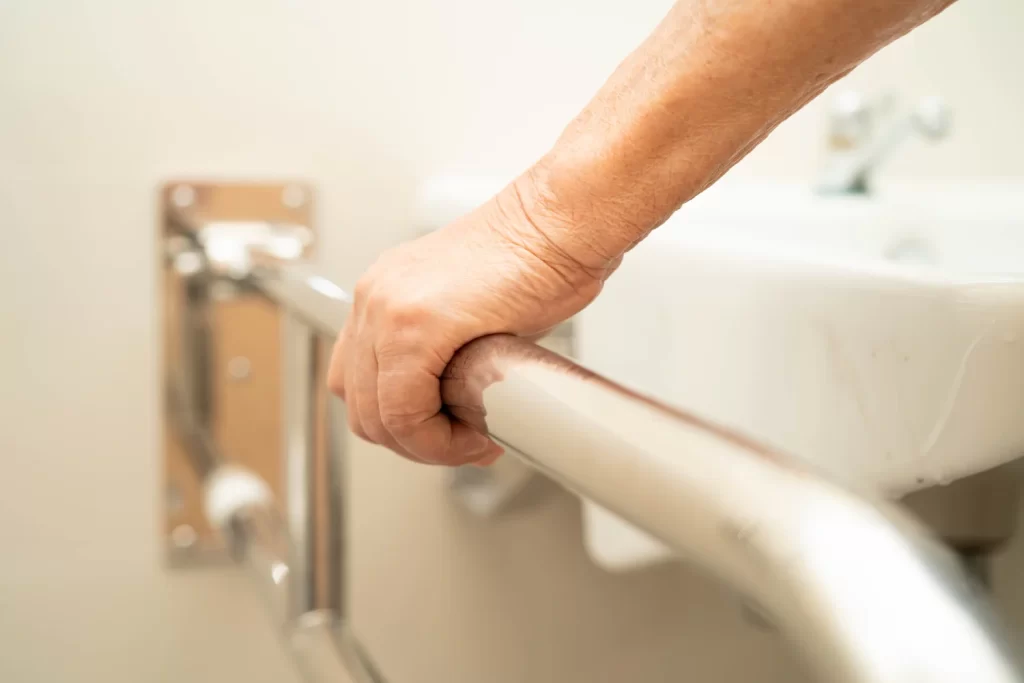
- Grab bars near the toilet and inside the shower
- Handrails on both sides of stairways
- Non-slip mats in the bathroom
- Stable furniture that can provide support when standing
Avoid using towel bars or lightweight furniture for balance, as they are not designed to support body weight.
Make the Bathroom Safer
Bathrooms are one of the highest-risk areas for falls because of slippery surfaces. Simple improvements include:
- Installing grab bars
- Using a shower chair or transfer bench
- Adding a handheld showerhead
- Placing non-slip mats inside and outside the shower
- Raising the height of the toilet seat if needed
Keeping toiletries within easy reach also helps prevent unnecessary stretching or bending.
Organize Everyday Living Spaces
A well-organized home makes daily routines easier and safer. Keep frequently used items where they are easy to access without climbing, reaching overhead, or bending too far. This includes:
- Medications
- Clothing
- Kitchen supplies
- Personal hygiene products
- Remote controls and phones
Reducing unnecessary movement can help prevent accidents while making daily life less frustrating.
Create Safer Bedrooms
The bedroom should be a place of comfort and easy access. Consider these safety tips:
- Keep a lamp within reach of the bed.
- Remove clutter around walking paths.
- Make sure the bed is an appropriate height for getting in and out safely.
- Place frequently used items on a nearby nightstand.
- Keep a phone within easy reach in case of emergencies.
If night-time bathroom trips are common, a clear path with adequate lighting is especially important.
Keep the Kitchen Functional
Many older adults enjoy maintaining independence in the kitchen, but a few adjustments can improve safety. Helpful ideas include:
- Store everyday dishes on lower shelves.
- Keep heavy cookware easy to reach.
- Use appliances with automatic shut-off features when possible.
- Clean spills immediately.
- Label commonly used items clearly.
If cooking has become difficult, preparing meals in advance or organizing ingredients ahead of time can also reduce risk.
Manage Medications Safely
Proper medication management is an important part of home safety. To stay organized:
- Use a weekly pill organizer.
- Keep an updated medication list.
- Store medications in one consistent location.
- Set reminders for medication times.
- Regularly review prescriptions with healthcare providers.
Proper organization helps reduce missed doses and medication errors.
Prepare for Emergencies
Every household should have a basic emergency plan. Be sure to:
- Keep emergency phone numbers visible.
- Ensure smoke and carbon monoxide detectors are working.
- Have flashlights with fresh batteries available.
- Keep important medical information easily accessible.
- Consider a medical alert system if your loved one spends time alone.
Planning helps everyone respond quickly during unexpected situations.
Don’t Forget About Emotional Comfort
Safety isn’t only about preventing accidents; it also means creating a space where your loved one feels secure and comfortable. Maintain familiar routines whenever possible, keep meaningful photos and personal belongings nearby, and encourage independence in safe ways. A calm, organized home can reduce anxiety and improve overall well-being.
When Should You Reevaluate Home Safety?
As your loved one’s needs change, so should the home environment. It’s a good idea to reassess safety after:
- A fall
- A hospital stay
- A new diagnosis
- Changes in mobility
- Changes in vision or memory
- Beginning home care services
Regular check-ins help ensure the home continues to meet your loved one’s changing needs. Professional home care providers and live-in caregivers can also assist in evaluating risks and implementing these changes. Learn more about our services at Live-In Care of PA.
Frequently Asked Questions
Falls are the leading safety concern. Removing tripping hazards, improving lighting, and installing grab bars are some of the most effective ways to reduce the risk.
Usually not. Many important safety improvements—such as decluttering, adding night lights, securing rugs, and organizing frequently used items—are inexpensive and easy to complete.
The bathroom, bedroom, and stairways are often the highest-priority areas because they present the greatest risk for slips, falls, and mobility challenges.
Walk through the home every few months or anytime your loved one’s health, mobility, or care needs change. Regular evaluations can help identify hazards before they become problems.
Yes. Home care professionals often notice potential safety issues during visits and can suggest practical changes that make the home safer and daily routines easier for everyone involved.
Enhance Your Loved One’s Safety and Independence at Home
We’re here to help. Contact Live-In Care of PA today to learn how our professional care team can support your family as you navigate care for your aging loved one.